
Unlock the Secrets to Buying Reliable Used Cars: Avoid These Costly Mistakes!

Buying a Used Car with Knowledge
In a world filled with endless options for purchasing a used car, finding a reliable vehicle can often feel like searching for a needle in a haystack. But fear not, dear readers, for we are here to help you unlock the secrets to making a smart and savvy car purchase! You’re not alone in this journey.
Buying a used car is a significant decision that can impact your safety and peace of mind on the road. It’s not just about saving money; it’s about avoiding costly mistakes that can turn your dream car into a nightmare. From hidden defects to shady sellers, there are numerous pitfalls to navigate.
In this article, we’re sharing valuable tips and tricks for navigating the complex world of used car buying. We’ll reveal the must-know secrets for identifying reliable vehicles, negotiating the best deals, and avoiding common pitfalls. This information is your key to a successful used car purchase.
So, let’s get started! Grab a cup of coffee, sit back, and get ready to embark on a journey to used car-buying success. We’re here to empower you with the knowledge and confidence you need to make informed and thoughtful decisions. Say goodbye to buyer’s remorse and hello to the open road – let’s dive in and unlock the secrets to buying reliable used cars!
Note: Buying a used car is a patient game of chess. Take your time buying a car; it’s the second biggest purchase of your life. And it should be a pleasant experience.
🔍 The Research: Your First Step to Used Car Success
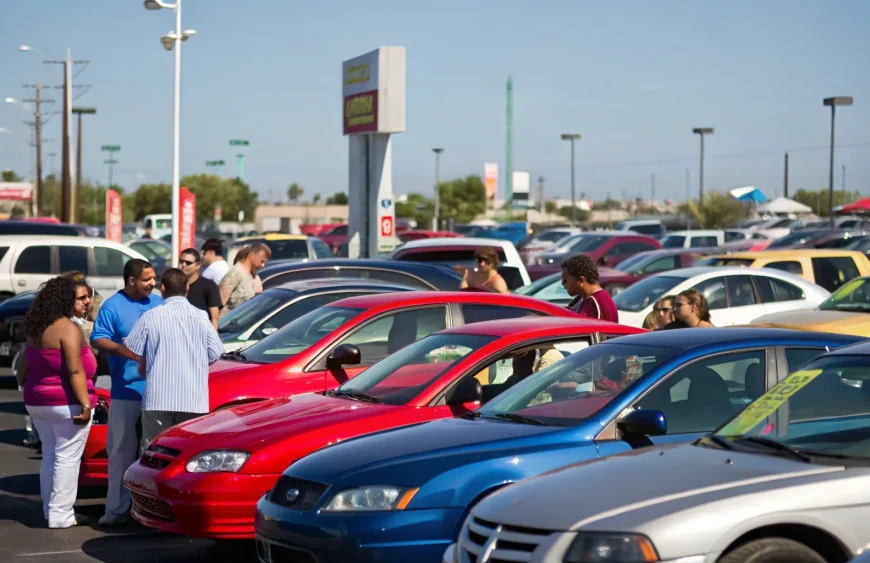
Picture this: you’re standing in a bustling dealership lot, the sun beating down, shiny used cars gleaming under the spotlight. You’re eager, maybe a bit overwhelmed, and the salesperson is already approaching. You ask, “What do you have for me?” and suddenly, you’re swept into a whirlwind of options, features, and prices. But wait — have you even done your homework?
Buying used cars can feel like navigating a jungle without a map. But here’s the golden rule: research is your best friend, like this mechanic we know that have been in the trenches—first as a Toyota Master Diagnostic Technician and now running his own automotive repair shop. He’s seen countless customers make the same mistakes that turn what should be an exciting purchase into a nightmare.
So let’s start at the beginning. Before you even think about stepping foot on a lot, ask yourself two key questions:
- What are my needs? This is non-negotiable. How many passengers do you need to carry? Do you require all-wheel drive? Is cargo space a must?
- What are my wants? Maybe you want leather seats or a sunroof. These are nice-to-haves but can be compromised if necessary.
Once you have your list, hit the internet. We live in the golden age of information, where you can find everything from reliability ratings to common problems specific to certain models. Don’t just stop at what fits your checklist—dig deeper.
- Are the cars you’re eyeing known for frequent transmission issues?
- Do they have a reputation for rust or electrical quirks?
This is the kind of intel that can save you thousands in the long run.
Here’s a little secret: the salesperson’s job is to sell, not to educate. Many don’t even know the nitty-gritty details about the cars they’re pushing. Some might make up answers just to close a deal. So don’t rely on them for your research. Do the heavy lifting yourself, and you’ll walk into that dealership armed with knowledge and confidence.
Remember, used cars are “used” for a reason—they’ve been driven, they’ve aged, and they’ve experienced wear and tear. If you want perfection, buy new. But if you’re in the market for used cars, your research will be your shield against hidden problems and regrets.
🔧 The Inspection: More Than Just a Surface Check
Here’s where things get spicy. You’ve done your research, narrowed down your options, and found a car that checks all your boxes. Now what? The inspection. This isn’t just a casual glance under the hood or a quick drive around the block. It’s a deep dive into the car’s soul.
Let us be blunt—looking at a car’s exterior is only about 25% of the story. You need to lift the vehicle up and peek underneath. Rust, leaks, suspension wear—these hidden details can make or break your purchase.
But who should perform this inspection? Here’s the kicker:
- A specialist who knows the specific make and model is invaluable. They’re familiar with the quirks and common issues that generic mechanics might miss.
- A classic car shop might not be your best bet if you’re buying a modern used car. They’re great with vintage rides, but not necessarily up to speed on the latest models.
- Dealership inspections vary wildly. Some technicians are thorough pros; others might give it a quick once-over to tick boxes.
And here’s the twist: even the best inspections aren’t crystal balls. They can’t predict every future problem, but a thorough inspection dramatically reduces your risk. Skipping this step? That’s like buying a house without a home inspection—you’re rolling the dice on a potentially costly gamble.
Think of the inspection as your insurance policy. It’s an investment that pays off by steering you away from lemons and toward a car that will serve you well.
📜 The CarFax and AutoCheck: Reading Between the Lines
Ah, CarFax and AutoCheck—the modern buyer’s trusty sidekicks. You pull up the report, and there it is: a neat history of the car’s past. Service records, accidents, title brands. But here’s the catch—these reports are only as good as the information fed into them.
Let’s clear up a common misconception: CarFax and AutoCheck are private companies. They don’t have a magic government database. They rely on reports from insurance companies, police records, and repair shops. If something isn’t reported, it doesn’t show up.
Here’s how to read these reports like a pro:
- Look at the service history carefully. If it simply states “vehicle serviced” repeatedly without providing details, that’s a red flag. It could be masking serious repairs or issues.
- Pay attention to the timing of services. Multiple services spaced only a few miles apart before the car is suddenly listed for sale? That could mean the owner was attempting to resolve a persistent issue.
- Accidents on the report aren’t automatic deal-breakers. Investigate the severity. Was it a minor fender bender or a major crash? Ask the dealership or inspector to focus on those areas.
- No accident history isn’t always good news. Especially for older cars, a perfect report might mean unreported damage or backyard repairs.
In short, use these reports as tools, not gospel. They’re part of the puzzle, but not the whole picture.
🗺️ What's the Plan? Defining Your Used Car Journey
Here’s where many buyers hit a wall. You’ve done your research, inspected the car, checked its history. Now, ask yourself the million-dollar question: What’s your plan for this car?
Are you looking to keep it for five years? Ten? Or just a couple of years until something newer comes along? Your plan shapes your expectations and influences the kind of car you should buy.
Imagine buying a used car with a reputation for transmission headaches and rust issues, then planning to keep it for 20 years in a rust-prone area. That’s like signing up for heartbreak and unexpected expenses.
Or picture living in a scorching desert climate but buying a car notorious for air conditioning failures. You’re setting yourself up for misery.
Being honest about your timeline and usage helps you pick a car that fits your lifestyle. It also helps you manage expectations—because, let’s face it, used cars come with quirks and compromises.
💡 Manage Your Expectations: The Price of a “Deal”
Here’s a little life lesson: there’s no such thing as a free lunch, especially in the used car world. If you see a car priced way below market value, your spidey senses should tingle.
Ask yourself: why is this car so cheap? Why hasn’t it been snapped up by the dozens of savvy buyers out there? Sometimes the “deal” is hiding a ticking time bomb.
Another factor to consider is lot rot. This term refers to cars that have been sitting on a dealership lot for months, sometimes even for close to a year. The longer a car sits, the more likely it is to develop problems from neglect, weather exposure, or excessive test drives.
Buying a car that’s been “rotating” on the lot is a gamble. You might get lucky, but you’re also risking inheriting issues that have developed while sitting idle or being handled by numerous potential buyers.
So, instead of chasing the cheapest price, focus on finding a good car—one that fits your needs, has a solid history, and passes a thorough inspection. Remember: you get what you pay for.
🚦 The Final Countdown: Take Your Time, Don’t Rush!
Buying used cars is not a sprint; it’s a marathon. The market is full of options, and with patience and persistence, you’ll find the right one. Don’t fall into the trap of “if I don’t buy it now, I’ll never find another.” Trust us, there’s always another car out there—often better and more suited to your needs.
Rushing leads to mistakes, regrets, and sometimes heartbreak. Take your time, do your homework, get that pre-purchase inspection, and manage your expectations. Your wallet and your peace of mind will thank you.
📊 Used Cars: Quick Reference Table for Smart Buyers
| Step | What to Do | Common Mistakes | Pro Tips |
|---|---|---|---|
| Research | Identify needs and wants; research car models and common issues | Buying without knowing what you want; relying solely on salespeople | Use trusted online forums and mechanic channels for info |
| Inspection | Get a thorough pre-purchase inspection by a specialist | Skipping inspection or using unqualified inspectors | Choose someone who knows the specific car model well |
| History Check | Review CarFax/AutoCheck reports critically | Taking reports at face value; ignoring unreported damage | Look for patterns and inconsistencies in service records |
| Plan | Decide how long and how you’ll use the car | No clear plan; unrealistic expectations | Match car choice with your intended usage and location |
| Pricing & Timing | Don’t rush; avoid cars with lot rot; price fairly | Chasing “too good to be true” deals; rushing purchase | Be patient—good cars come and go; pay what it’s worth |
❓ FAQ: Your Burning Questions About Buying Used Cars
Q1:Can I skip the pre-purchase inspection if the CarFax looks clean?
Absolutely not! CarFax and similar reports don’t catch everything. A thorough inspection by a knowledgeable mechanic is essential to uncover hidden issues.
Q2: How do I know if a pre-purchase inspector is qualified?
Look for someone who specializes in the make and model you’re interested in. Ask for references or reviews. Avoid generic inspections that don’t dive into model-specific problems.
Q3: What if the dealership doesn’t allow an independent inspection?
That’s a red flag. Consider walking away or insisting on an inspection. If you rely solely on dealer inspections, you’re risking missing critical issues.
Q4: Is it bad to buy a car that has been on the lot for several months?
Cars sitting too long can develop problems from neglect or excessive test drives. If you consider such a car, get an extra thorough inspection and ask why it hasn’t sold.
Q5: How can I avoid being rushed into buying a used car?
Remember, there’s always another car. Set your budget and criteria, do your research, and don’t let sales pressure force you into a decision you’re not comfortable with.
🚗 Final Thoughts: Empower Your Used Car Buying Journey
Buying used cars doesn’t have to be a stressful, confusing, or regrettable experience. With the right mindset, some patience, and a solid game plan, you can find a vehicle that suits your needs, budget, and lifestyle.
Remember these key takeaways:
- Do your homework—know what you want and the common issues of the cars you’re considering.
- Get a thorough inspection by someone who truly understands the car you’re buying.
- Use history reports wisely—they’re helpful but not foolproof.
- Have a clear plan for how long you’ll use the car and how you’ll use it.
- Manage your expectations—there’s no perfect used car, but there’s a great one for you.
And always remember, if a deal sounds too good to be true, it probably is. Don’t rush; your perfect used car is out there waiting. Take your time, stay informed, and drive away happy.
Now, go ahead—start your research, schedule that inspection, and get ready to find a used car that’s more than just a vehicle; it’s a trusted companion on your journey. Happy car hunting!
Want more tips and insider secrets? Subscribe to trusted automotive experts and keep your car care game strong!
Limited Time Discounts
Note: FriscoStore.com may get a small commission from this article, which supports us in giving the scope of great sellers and products and keeping you safe online when you shop for unique, quality items.