Top TV Brands of 2025 — Who’s Leading, Who’s Losing and Why

Buying Your Next TV with Knowledge
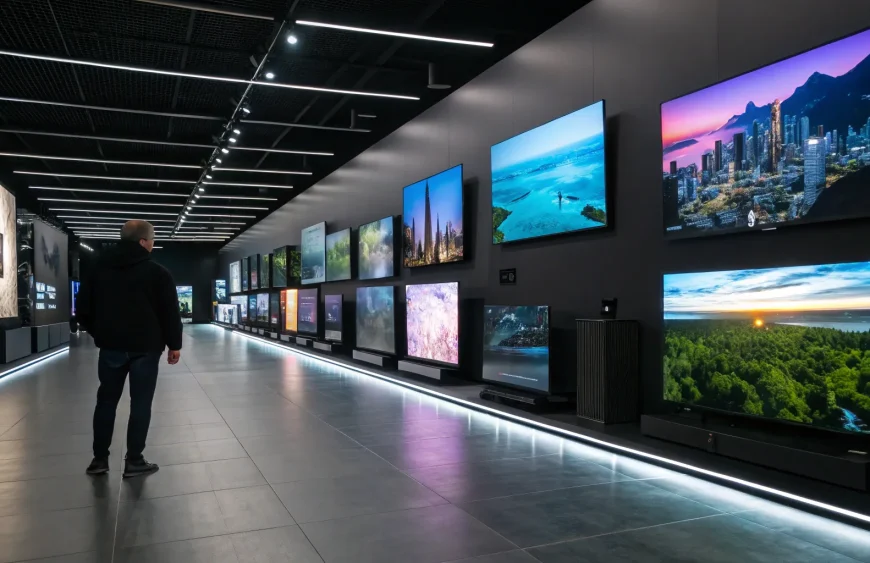
Think of yourself for the first time walking into an electronics store and felt like you stepped into a neon cathedral: rows of screens humming, colors so saturated they almost smelled like summer, and every display promising the ultimate living-room escape. If you’re here hunting for the Best TV Brands in 2025, someone in your family probably stood under that glow too—maybe they lingered for a while, comparing blacks, peering at reflection control, or arguing with thereself about whether that extra inch or the newer panel tech was worth the cash. As we have a deep-dive we’ll unpacking exactly which names deserve your attention right now, why they do, and what happened to the once-mighty brands that are now relegated to bargain bins and brand-licensing deals.
📺 Quick At-a-Glance Guide to the Best TV Brands
- Samsung — Innovation leader in anti-glare tech, wide range from budget to flagship; strong reliability.
- LG — OLED pioneer and long-time OLED authority; excellent color and contrast with years of refinement.
- Sony — Premium positioning, top-tier processing, strong in mini LED and high-end OLED.
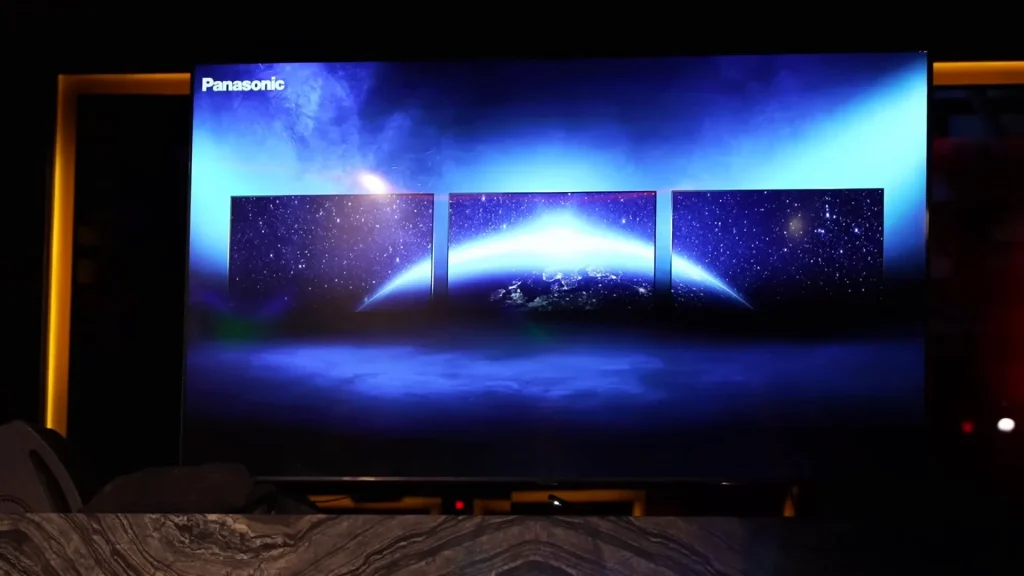
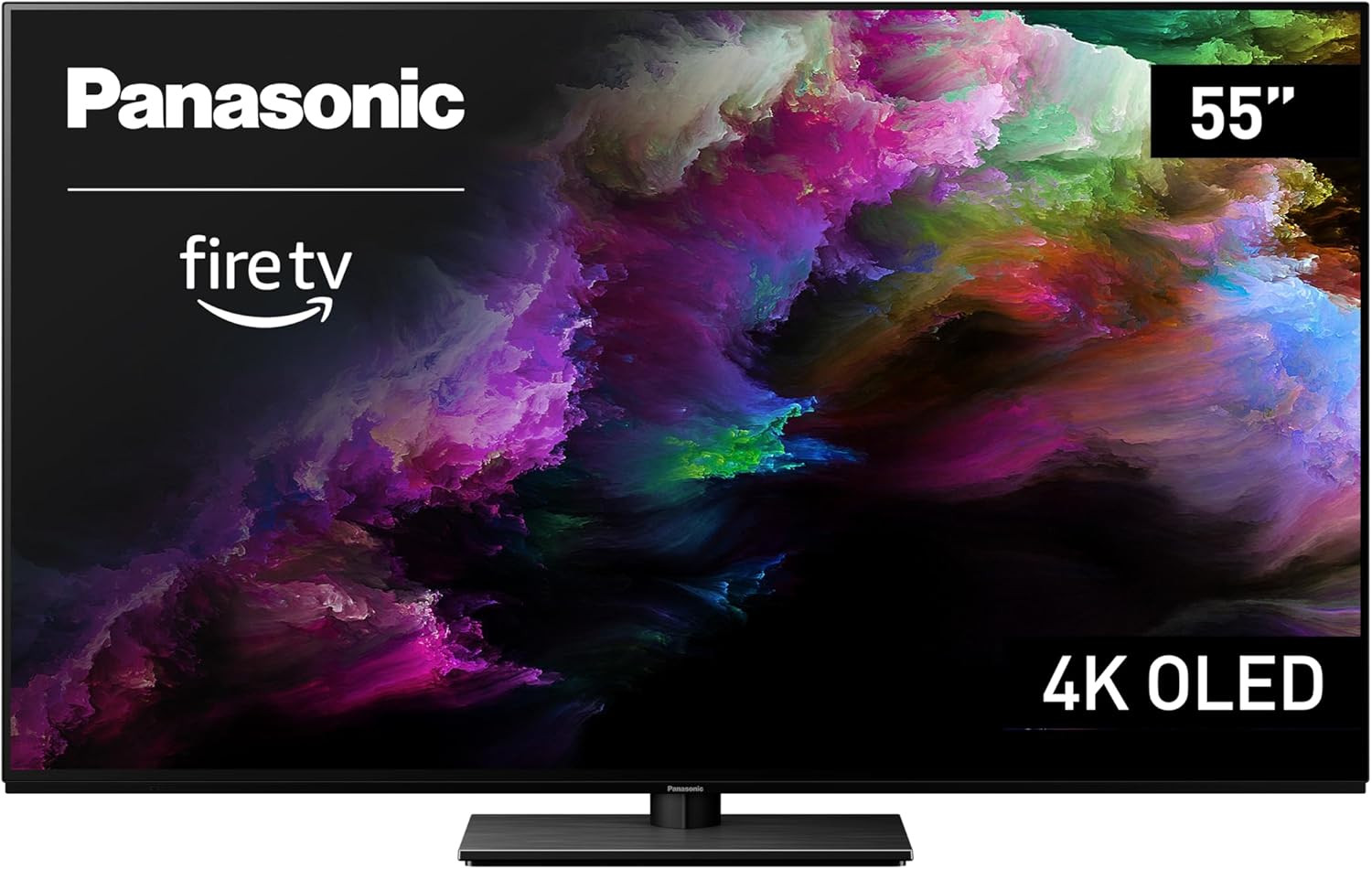
- Panasonic — Resurgent in the US with classic picture-first philosophy; excellent OLEDs (better known abroad).
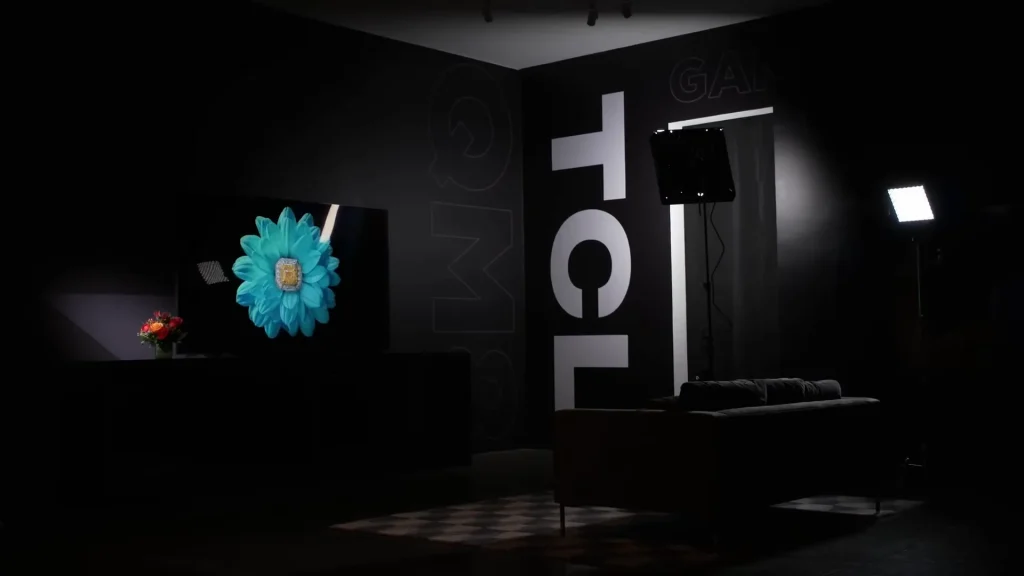
- TCL — Aggressive value leader; excellent price-to-performance ratio and rising prestige.
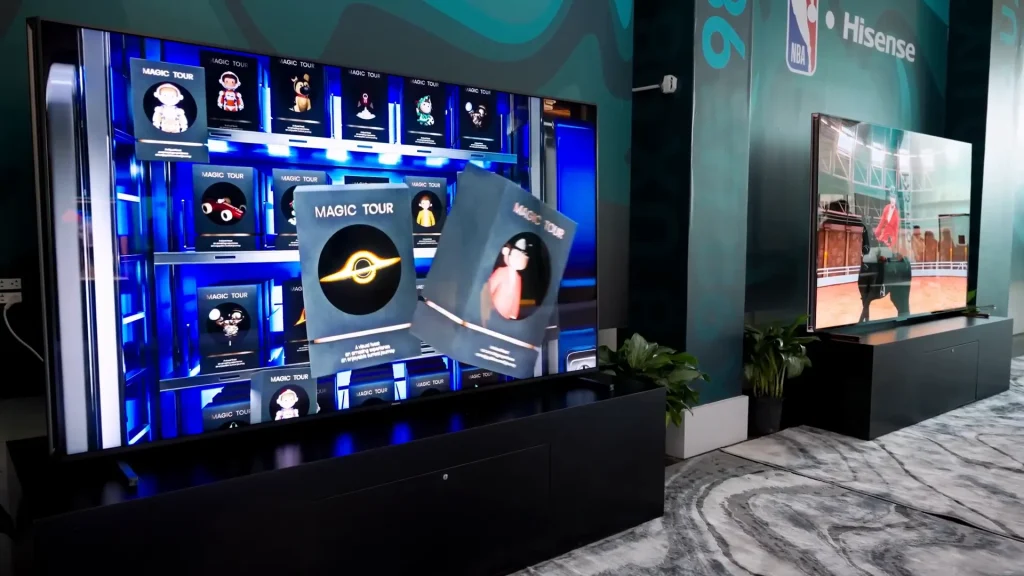
- Hisense — Rapid adaptors with great mini LED and new RGB mini LED ambitions; outstanding value.
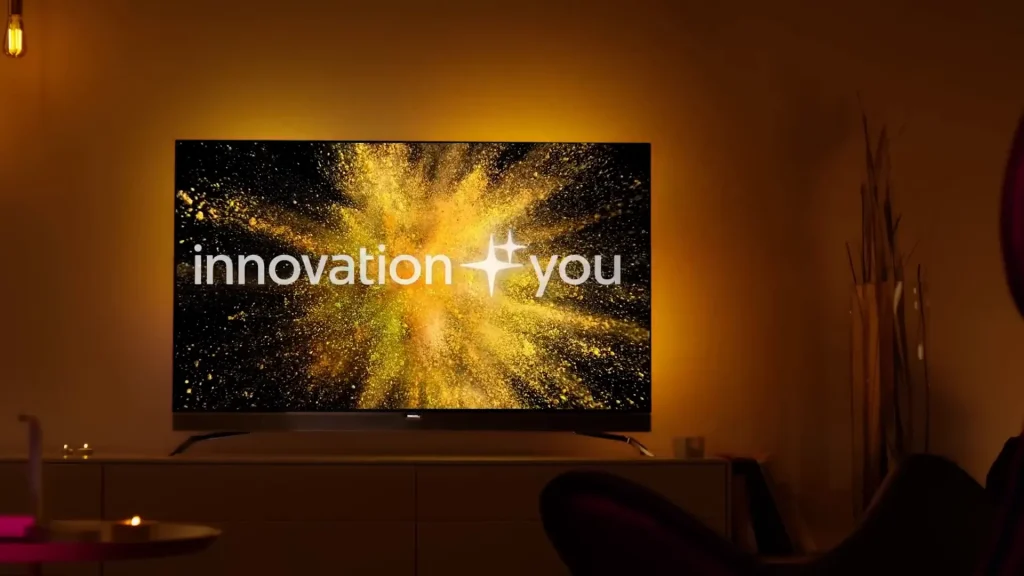
- Philips (Europe) — Premium TP Vision models in Europe/UK; beware of region-specific licensing.
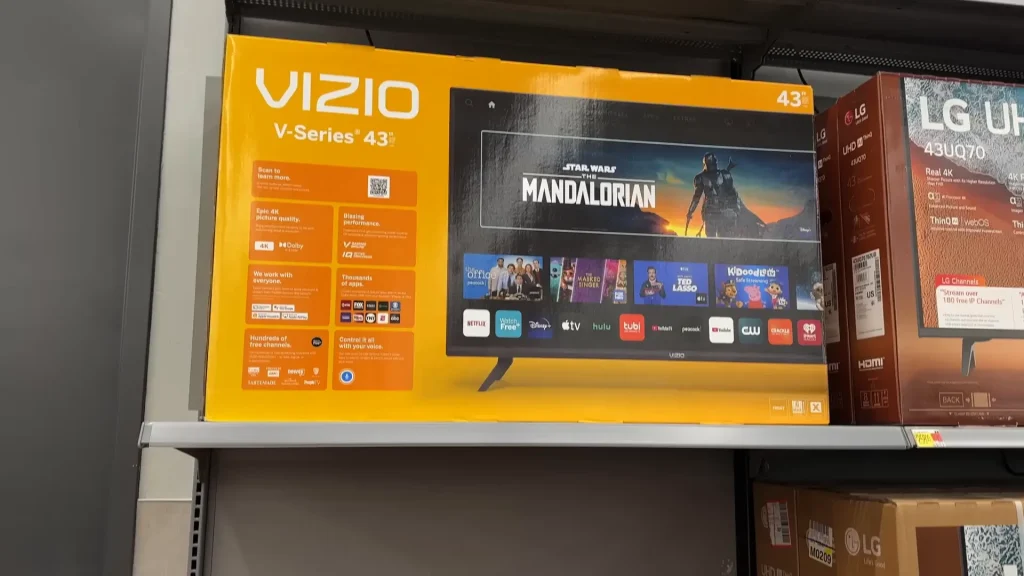
- Vizio — Once a disruptor, now facing a challenge to regain former momentum.
Over the next several sections we’ll going to walk you through what we like about each brand, what they bring to the market today, and where they might be headed. If you’re deciding between contenders and need a quick mental checklist while shopping, keep this guide open — the Best TV Brands list we discuss here is shaped by price-to-performance, features, and how bold a brand is at pushing new tech into consumer hands.
📺 Samsung: The Durable Innovator
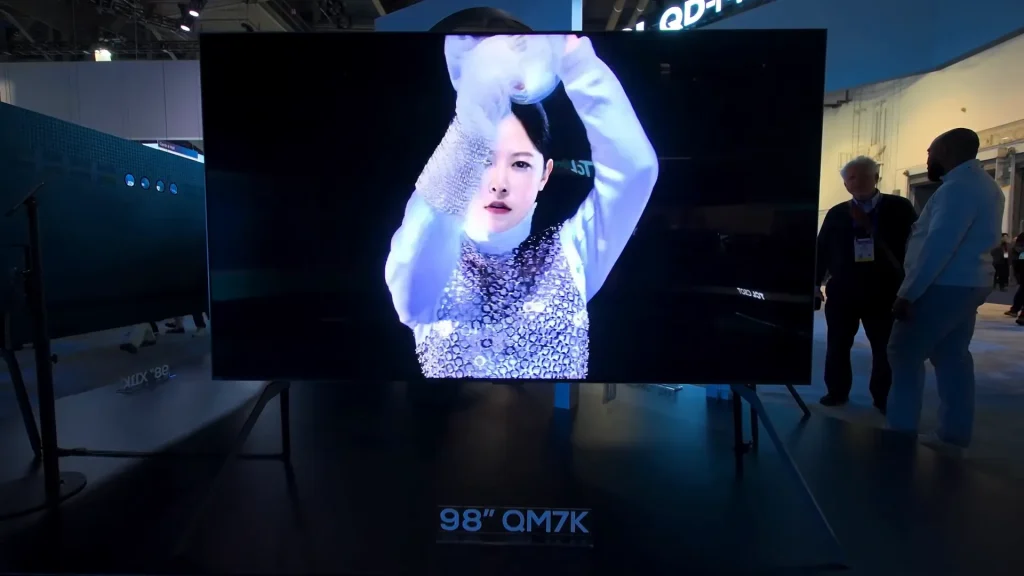
Samsung has been the headline-maker in TV for nearly two decades, and its name is almost shorthand for “modern TV.” Why? Because Samsung’s played an aggressive, steady game: they co-opted marketing buzzwords like QLED to explain quantum-dot-boosted LCD performance, they made the thinnest sets for years, and they brought features that influenced the whole industry—think Frame TV vision, the One Connect modular box, and a remote that could literally run on the light in your living room.
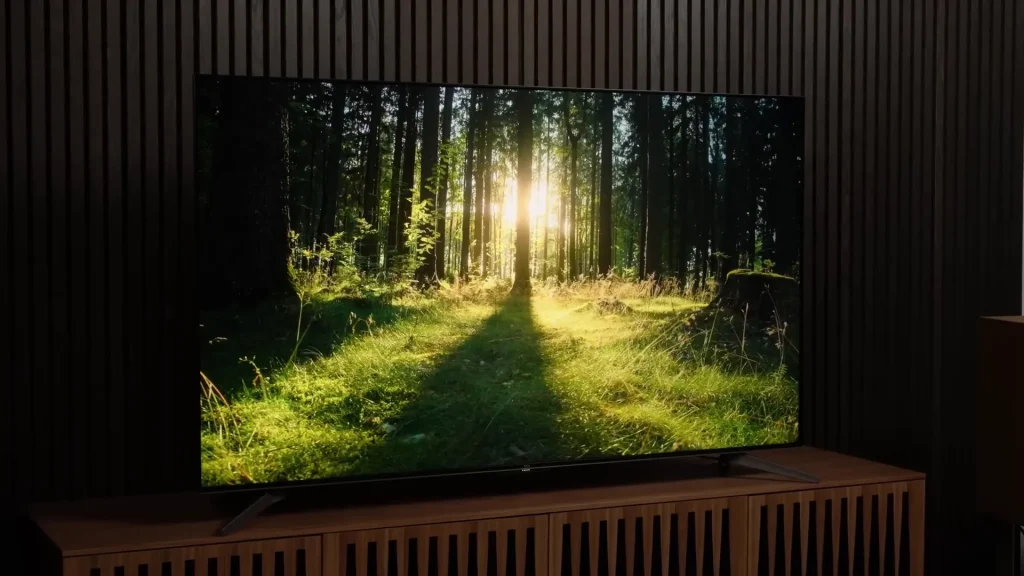
But Samsung isn’t just flash. Their top-tier models now offer industry-leading anti-glare panels that make a huge difference in bright spaces. That’s a real-world improvement that keeps Samsung among the Best TV Brands in 2025 for buyers with sunny rooms or lots of ambient light. And while Samsung’s big AI pitch and security features have grabbed headlines, it’s the practical picture and user experience upgrades—like anti-reflective coatings and deep HDR performance—that matter to most buyers.
One caveat: Samsung did take a beat a couple of years ago where it felt like they were coasting on momentum. But recent pushes show renewed ambition. For a shopper who wants broad model choice across price points, polished software, and a brand name you can trust for longevity, Samsung remains at or near the top of any list of Best TV Brands.
📺 LG: The OLED Monarch
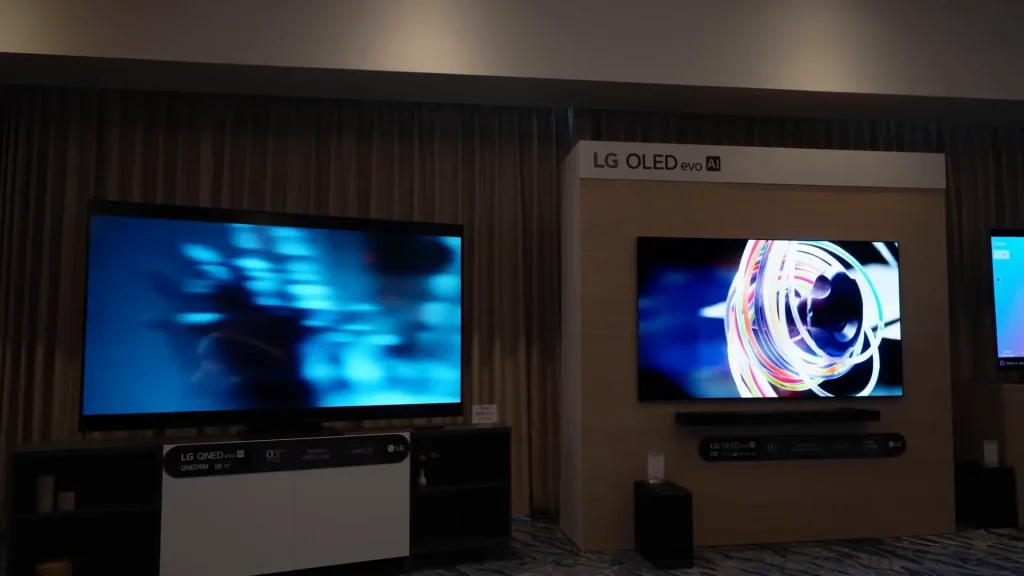
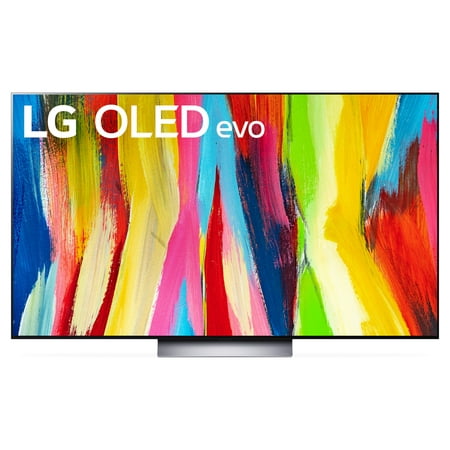
If Samsung represents broadscale, LG represents craft. LG’s big moment was the launch of the first 55-inch OLED around eleven years ago — a watershed for picture quality. Since that moment, LG has more or less owned the OLED conversation. OLED’s individually lit pixels produced blacks and contrast that LED-based QLEDs could not match, and that forced the industry to elevate its game.
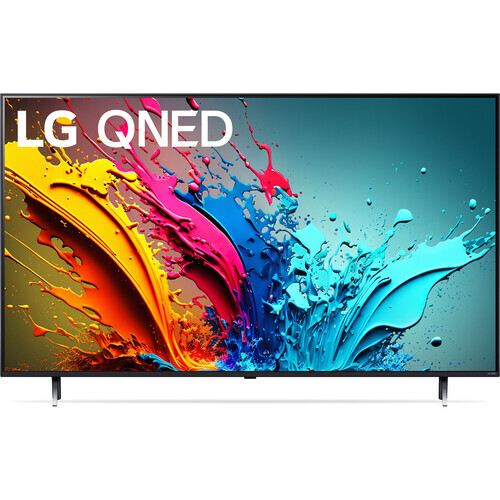
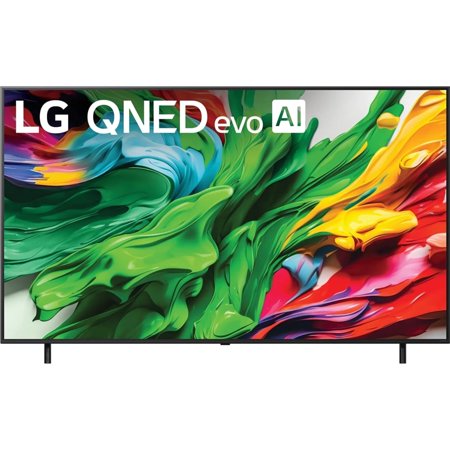
LG has consistently improved color science, motion handling, and the practical durability of OLED panels. They also produce LCD models under the QNED brand (please don’t shout that in forums), but their reputation rests on OLED, which remains LG’s strongest, most persuasive offering. If you want depth, cinematic blacks, and the best black-level performance for a home theater vibe, LG is one of the Best TV Brands to consider.
In short, many people choose LG because its OLEDs simply look right — and for anyone building a dark-room theater where absolute contrast and cinematic color are priorities, LG is a hard brand to beat on the Best TV Brands list.
📺 Sony: Premium Precision
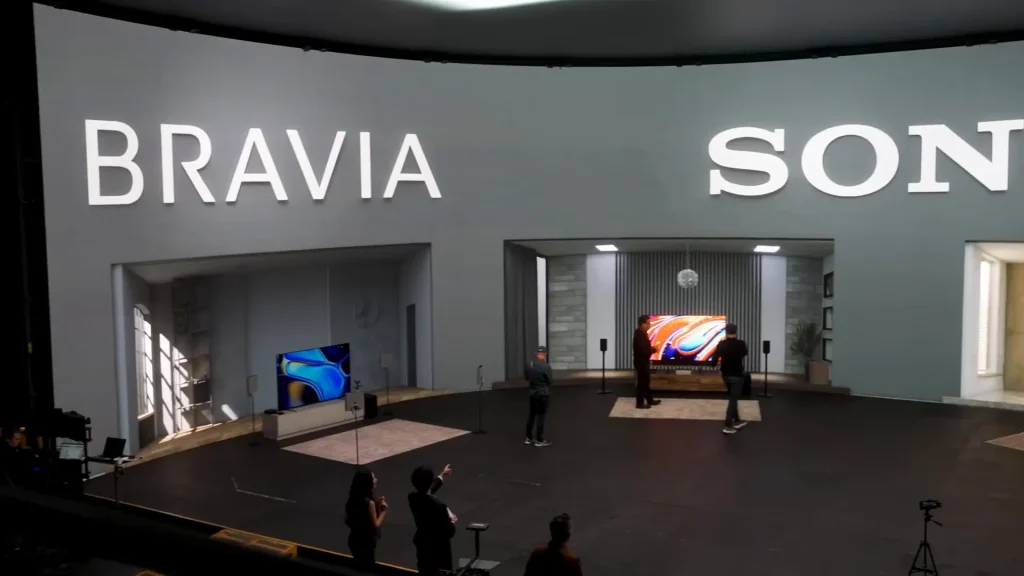
Sony has a legacy that reads like a history lesson in TVs: Trinitron, Vega—Sony made the best displays for a long time. When Korean manufacturers started eating Japanese market share, Sony made a strategic pivot: fewer models in stores, more focus on premium. That was a risky bet, but it worked. Sony has preserved brand prestige by leaning into higher-margin, higher-quality TVs.
Today, Sony’s strength is processing and color science. They’ve leaned heavily into mini LED and premium OLEDs with best-in-class motion, upscaling, and color decisions that please videophiles. For cinephiles and those who prize accurate color out of the box, Sony remains one of the Best TV Brands worth paying for, even if price tags are steeper.
📺 Panasonic: The Elegant Comeback
Panasonic’s story is one of quiet excellence and a recent comeback. They were absent from the US for about ten years, but in 2024 they returned with a small but potent lineup, and the reviews were strong. Historically, Panasonic earned respect for prioritizing picture fidelity and a clean, film-friendly image profile — traits cinephiles adore.
If you’ve followed TV tech overseas, you already know Panasonic often ranked with the very best. Now they’re back, offering OLEDs and mini LED models in the US. For buyers who want a brand with a long track record for serious picture-minded engineering, Panasonic has to be on the conversation about the Best TV Brands—especially if you value cinematic rendering and careful tuning.
📺 TCL: The Value Challenger
TCL’s rise is one of the more dramatic success stories. Their breakout came with the Series 6 in 2018, and since then TCL has scaled fast, offering a compelling mix of performance and price. If you’re scanning for a TV that offers big features without sticker shock, TCL is usually near the top of that shortlist and among the Best TV Brands for budget-savvy buyers.
TCL focused on QLED and mini LED implementations at aggressive price points, and many of their models punch above their weight in overall picture and gaming performance. If Samsung and LG are the established incumbents, TCL is that hungry upstart cutting market share with clear value and smart product engineering.
📺 Hisense: The Fast Adapter
Hisense didn’t grow quite as quickly in visibility as TCL, but where they may surpass many competitors is in adaptability. With a new US leadership voice pushing high performance into American channels, Hisense has become almost unnervingly good at learning from the market and iterating fast. They brand their LCD tech as ULED, and they’ve been pushing mini LED hard—most recently testing an RGB mini LED array in a 116-inch flagship that signals real technical ambition.
From a pure price-to-performance perspective, Hisense often looks unbeatable. For shoppers who want the most bang for their budget — or who want a high-value secondary TV that still behaves like a premium set — Hisense is a serious contender on any Best TV Brands list in 2025.
📺 Philips & Region Differences: Better Abroad Than in the States
Philips is tricky because the brand splits by region. In the UK and Europe, Philips TVs are made by TP Vision and tend to be high quality — their Ambilight system and strong picture tuning are real differentiators. But outside Europe, the Philips name is often licensed to other manufacturers like Funai, which produces more entry-level sets under Philips or Magnavox. If you’re in Europe, Philips is often part of the Best TV Brands conversation. If you’re in the US, check the manufacturer behind the badge before you commit.
📺 Vizio: An Honest Admission
Can we be frank: Vizio used to be the exciting scrappy brand that made quality TVs available to many. Lately though, it feels like Vizio lost its way. From what I saw inside the industry, there was often tension between engineers who wanted to push quality and corporate leaders who prioritized other concerns. Their SmartCast software never won universal applause, and with TCL and Hisense aggressively competing on price and performance, Vizio now faces a steep uphill battle. Being owned by Walmart raises questions about the long-term product strategy — but it’s not a death sentence. Vizio could come back; it just needs the right investment and focus.
📺 Honorable Mentions: Roku and Amazon
Two names we want to flag are Roku and Amazon. They don’t manufacture TVs themselves, but they badge models made by other manufacturers. The best Roku- and Amazon-branded sets can be surprisingly solid and represent a different kind of value: easy, streamlined smart ecosystems. They sit just outside my top brand list, but if you love an integrated smart TV experience with simple, reliable streaming, these are worth watching.
📺 Where Did the Old Giants Go? A Fall From Grace
Now let’s get to the nostalgia and the tough truth: what happened to brands like Toshiba, JVC, RCA, Sharp, and others? There’s a common pattern. Many of these companies hit hard financial times, and the value of their name — and sometimes their IP — was sold to buyers who used the brand as a licensing vehicle. In other words, you’ll still see the brand name in stores, but the company behind that name has often changed. The result is a glut of inexpensive, mass-market models that carry a respected badge but not the engineering soul that built that badge originally.
Hisense, for example, owns or licenses a ton of former western brand names. That has broadened their global footprint but also diluted what those badges used to mean. The takeaway: brand recognition doesn’t always equal quality anymore. A familiar name on a box might mean a budget product built by a third party rather than a direct descendant of the original brand’s engineering pedigree.
📺 Buying Guide: How to Choose Among the Best TV Brands
Choosing among the Best TV Brands ultimately comes down to honest needs assessment. Here’s a quick checklist to help you narrow it down:
- Room lighting: If you have a bright room, favor anti-glare or strong peak brightness (Samsung anti-glare tech or brighter LCDs).
- Viewing habits: Love movies in the dark? OLED (LG, Panasonic) or Sony calibrated sets are ideal. Want a living-room all-rounder? QLED/mini LED (Samsung, TCL, Hisense) shine.
- Gaming: Look for HDMI 2.1 features, low input lag, high refresh rates—TCL and many Samsung models do well here.
- Longevity and resale: Brands with long service histories (Samsung, Sony, LG) often have better long-term support.
- Budget: TCL and Hisense give you the most performance per dollar; Panasonic and Sony are for discerning buyers who prioritize picture above all else.
And a small but essential bonus tip: don’t buy based solely on brand. Check specific model reviews for the year you’re shopping — even within a brand, different model tiers can feel like entirely different companies.
📺 The Cliffhanger: Who’s Next to Rise—or Fall?
Here’s where the story gets interesting: the TV market is far from static. New contenders like TCL and Hisense are on trajectories that could upend the old hierarchy. Meanwhile, Samsung and LG are responding in their own ways—Samsung with practical screen tech that addresses everyday living-room problems, LG with the enduring allure of OLED. Sony and Panasonic remain bastions for viewers who want faithful presentation. Vizio may yet reorient and come back swinging, and European Philips keeps showing that regional differences matter.
So what happens next? Will the Best TV Brands list look different a year from now? Possibly. Radical tech jumps are rarer than incremental improvements, but there’s always room for a dramatic product or two that redefines value. We found out as people watching mini LED iterations, RGB mini LED experiments, and those anti-glare breakthroughs closely. They all have the ability to change buying priorities overnight.
❓ FAQ: Frequently Asked Questions
Q1: Which brand makes the best OLEDs?
LG has dominated OLED for over a decade; Panasonic and Sony also make outstanding OLEDs, each with slightly different tuning philosophies (LG often focused on strong blacks and color, Panasonic on film-like presentation, Sony on processing and motion).
Q2: Are QLED TVs good?
Yes. QLED (quantum-dot-enhanced LCD) TVs—especially those with mini LED backlights—offer high brightness, saturated colors, and great gaming features. Samsung, TCL, and some Hisense sets are strong examples.
Q3: Should I worry about legacy brand names like Toshiba or RCA?
Only if you assume the badge equals the legacy company. Many legacy brands are now licensed to manufacturers that do not carry the original engineering DNA. Always check who actually made the TV and read current model reviews.
Q4: Is mini LED better than OLED?
Not strictly better—each has trade-offs. Mini LED can achieve higher peak brightness and may be better in bright rooms; OLED has perfect blacks and superior uniformity for dark-room viewing. Decide based on room lighting and viewing habits.
Q5: What’s the best brand for gaming?
TCL, Samsung, and many Hisense models provide robust gaming features (low input lag, HDMI 2.1). High-end Sony and LG sets also support gaming well but can be pricier.
Q6: Which Best TV Brands are the most reliable?
Reliability varies by model and year, but Samsung, Sony, and LG have strong histories of support and longevity. TCL and Hisense have improved dramatically and currently offer excellent value, though long-term service networks can vary by region.
📺 Final Thoughts and a Call to Action
Picking a TV in 2025 is like choosing a soundtrack for your living room: do you want cinema-level depth, everyday versatility, or the most features for your dollar? The Best TV Brands each answer that question differently. Samsung and LG carry heavyweight reputations for good reasons—Samsung for breadth and smart practical tech, LG for OLED mastery. Sony and Panasonic continue to be favorites for viewers who prize fidelity. TCL and Hisense are the disruptors delivering exceptional value and pushing innovation forward faster than many expected. Philips remains a standout in Europe, and legacy names like Toshiba or RCA largely exist as licensed labels now.
If you’d like a personalized recommendation, tell me your room type (bright or dark), main use (movies, sports, gaming), and budget—and I’ll give you a short list from the Best TV Brands that fits you. Thanks for reading; if this guide helped you thin the herd and feel confident about the screen you’re about to bring home, hit that little button that keeps independent tech coverage alive—subscribe, follow, or bookmark. And of course, keep your ears open: next year’s Best TV Brands list may have a different hero.
Ready to shop smarter? Feel free to share with us your room and budget and our team can recommend a model from the Best TV Brands for you.
Great Choices
Resources
The best 100-inch TVs offer a theater-like experience in your living room — these are our top picks Business Insider
Best 6 TVs I’ve Tested for August 2025 CNET
Vu’s new Glo QLED TV 2025 promises Dolby Magic at a disruptive price Mint
The 6 Best 55-Inch TVs of 2025 RTINGS.com
These Are the Best TVs We’ve Seen This Year WIRED
Samsung Launches 2025 Neo QLED TVs Powered by Samsung Vision AI Samsung Newsroom
Note: FriscoStore.com may get a small commission from this article, which supports us in giving the scope of great sellers and products and keeping you safe online when you shop for unique, quality items.