Top 13 Least Popular Cars in America 2025: Inside the Biggest Automotive Flops

Buying a New Car with Knowledge
Okay, so let’s say you’re walking into a car dealership, eyes gleaming with excitement about your next new ride, only to find yourself surrounded by a collection of vehicles that scream “buyer beware.” These aren’t just unpopular—they’re the automotive equivalent of that weird casserole nobody wants to touch at the family dinner. From shocking depreciation to reliability nightmares, these 13 worst-selling cars in America are a masterclass in how NOT to design, market, or sell a car in 2025.
Welcome to the ultimate deep dive into the automotive underbelly, where some of America’s most trusted brands have somehow managed to produce vehicles that even their own dealerships are desperate to offload. These cars are so bad, so financially devastating, that only the most uninformed—or perhaps the most unlucky—consumers end up taking them home.
But don’t worry, this isn’t just a doom-and-gloom parade of failures. We’re here to shine a light on these costly mistakes, help you avoid them, and even sprinkle in some humor to keep things lively. Buckle up, because the ride through the 13 worst-selling cars in America is bumpy, bewildering, and utterly fascinating.
Insight: Buying a used car is a patient game of knowlege. Are you in the market for a used vehicle?
13. Chevrolet Trax: The Plastic Fantastic Failure 🔍
Starting our countdown is the Chevrolet Trax, a vehicle that feels like it was designed in a lab to test just how much cost-cutting Americans will tolerate before running for the hills. Despite a recent redesign, the Trax continues to hemorrhage sales, with a staggering 37% decline year-over-year. If the sales numbers don’t convince you, the Trax’s underwhelming 1.2-liter turbocharged engine sure will—it struggles to merge onto highways as if it’s perpetually stuck in slow-motion.
But the real kicker? Transmission issues rear their ugly head well before hitting 100,000 miles, with repair rates nearly double those of competitors. Imagine shelling out for a new car only to be greeted by transmission repairs that feel like an unwanted sequel to a bad movie.
The Trax also delivers a value proposition that’s about as appealing as a soggy sandwich. Starting at $21,495, it offers less interior space, worse fuel economy, and lower reliability than its rivals, such as the Honda HR-V or Kia Seltos. And if you’re thinking safety might be a saving grace, think again. IIHS tests reveal weak spots in small overlap crash performance and headlight effectiveness—details conveniently left out of Chevy’s marketing spiel.
In short, if you’re contemplating a Trax, virtually any alternative in the segment will serve you better, both in your wallet and your driving experience.
12. Infiniti Q50: The Overpriced Underperformer 🔧
Next up is the Infiniti Q50, a luxury sports sedan clinging to faded glory like a Hollywood star desperate for a comeback. Sales have nosedived by 63% since 2021, with only 1,742 units sold nationwide in the latest quarter. Industry insiders are scratching their heads, wondering how long Infiniti will keep this relic on the road.
The Q50’s problems start with a platform that’s basically a fossil from 2014, making it a technological dinosaur in a segment where German competitors refresh every few years. Its infotainment system is a confusing mess of dual screens running different operating systems—a recipe for user frustration and low satisfaction.
Then there’s the financial disaster: three-year-old Q50s retain only 42% of their original value, meaning owners lose about $31,000 in depreciation alone. Reliability woes with the direct adaptive steering system and electronics add thousands more in repair costs. What’s worse, the Q50’s interior feels cheaper than some mainstream brands like Mazda, and its tech package is outdated compared to a Honda Accord that costs $15,000 less.
Unless you’re completely oblivious to the alternatives, the Q50 is a textbook example of paying luxury prices for mainstream mediocrity.
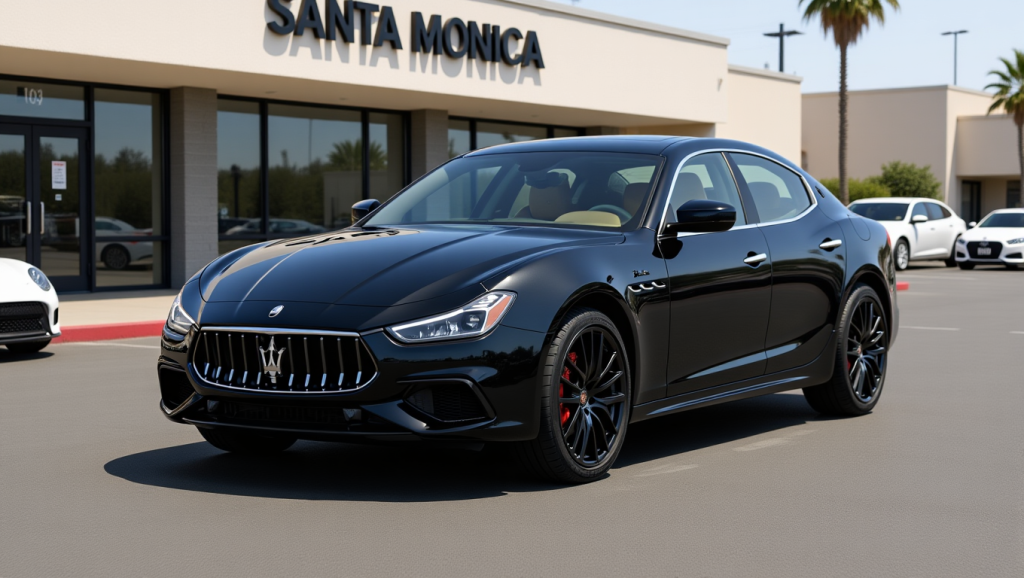
11. Maserati Ghibli: The Depreciating Disaster 📜
Nothing screams “financial nightmare” quite like the Maserati Ghibli. This Italian luxury sedan combines unreliability with a price tag that starts at a jaw-dropping $78,000 and can easily top $95,000 with options. Instead of exotic materials, buyers get interior components borrowed straight from the Jeep Cherokee, dressed up in slightly better leather. Talk about style over substance.
Sales have plummeted 71% since 2019, with a mere 103 units sold recently. Depreciation is brutal—three-year-old Ghiblis retain only 32% of their value, resulting in a staggering $60,000 loss. Reliability is equally grim, with electrical system repairs costing over $2,800 on average and transmission failures more frequent than in comparable BMWs or Jaguars.
If you’re considering a Ghibli, you’re either blissfully unaware of superior options like the BMW M5, Audi RS7, or Mercedes AMG E63, or you have an uncanny knack for disappointment.
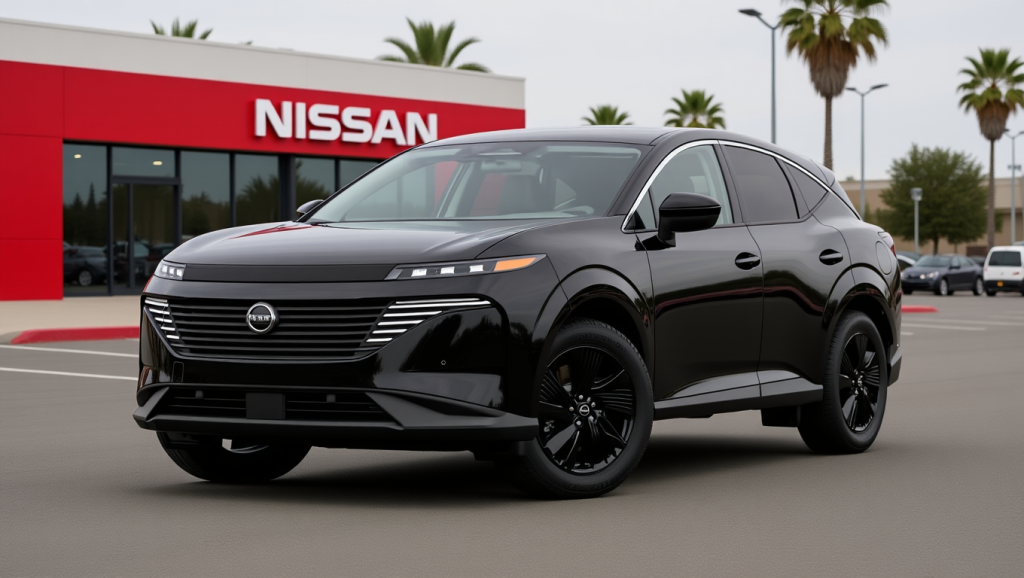
10. Nissan Murano: The SUV Nobody Wanted 🗺️
The Nissan Murano is the automotive equivalent of wallpaper—there, but easily ignored. With sales declining 42%, it’s become dealership poison. Its design hasn’t changed since 2015, managing to be both bland and awkward. Inside, the materials fall short compared to the Hyundai Santa Fe and Mazda CX-50, despite similar prices.
The Murano’s Achilles’ heel is its CVT transmission, notorious for failures that often occur just after warranty expiration, with repair bills frequently exceeding $4,200. Depreciation is equally detrimental, with owners losing approximately 55% of the vehicle’s value over three years—roughly $22,000.
For the same money, you could have a Mazda CX-5, Toyota Venza, or Hyundai Santa Fe, all of which offer better reliability, technology, and resale value. Choosing a Murano? That’s either automotive ignorance or a peculiar desire to blend into the forgettable crowd.
9. Volkswagen Arteon: The Style Over Substance Mistake 💡
The Volkswagen Arteon answers a question nobody asked: What if we took a Passat, made it less practical, jacked up the price by $15,000, and watched it depreciate like a stone? Sales have tanked by 83%, with only 632 units sold recently.
Priced around $43,000 and up, the Arteon straddles an awkward middle ground—too expensive for VW loyalists and lacking the prestige for luxury buyers. Its three-year retention rate is a dismal 38%, translating to a $30,000 loss. Reliability issues with the water pump, panoramic sunroof, and electrical systems add to the misery, with repair costs averaging $1,800 per incident.
For the same dough, you could drive an Audi A4, BMW 3 Series, or Mercedes C-Class—vehicles that actually deliver on the luxury promise. Even within the Volkswagen Group, the Audi A5 Sportback offers the same car with a fancier badge for a slightly higher price. Arteon buyers have clearly skipped their homework.
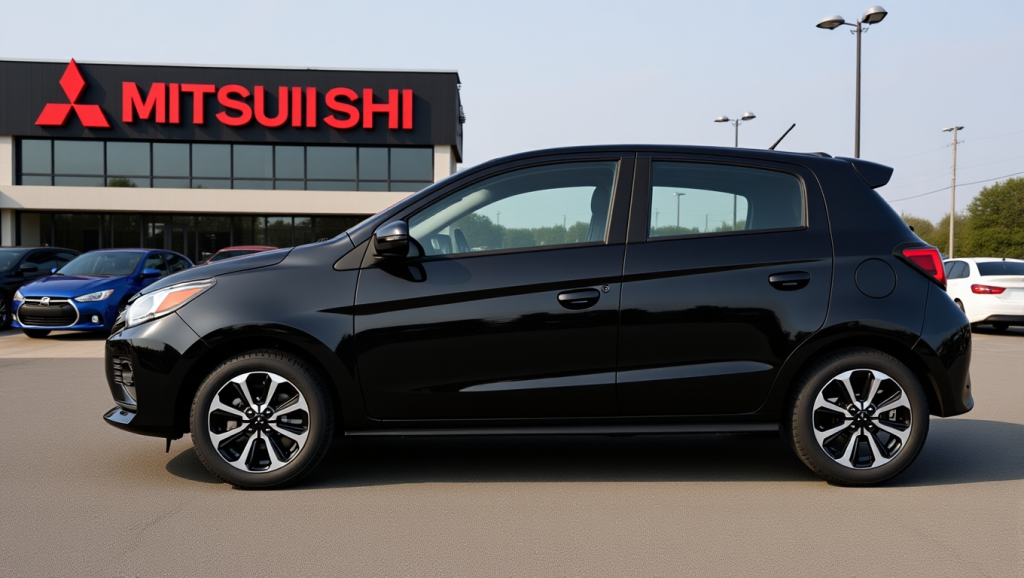
8. Mitsubishi Mirage: The Outdated Penalty Box 🚦
The Mitsubishi Mirage is the cheapest new car in America, but that’s not enough to save it from the penalty box of automotive failure. Sales have dropped 54%, with only 3,809 units sold in recent months.
Its 78-horsepower three-cylinder engine is so anemic that merging onto highways feels like a scene from a slow-motion chase. Acceleration to 60 mph takes over 12 seconds—dangerously slow by today’s standards. What’s worse, fuel economy isn’t significantly better than more powerful competitors like the Toyota Corolla or Honda Civic.
Safety is another concern. The Mirage scores poorly in IIHS crash tests, especially in small overlap fronts, a critical factor in real-world accidents. Dealers struggle to sell them even at discounts of 12-18% below MSRP.
If you can afford a slightly used Honda Fit, Toyota Yaris, or Kia Rio, you’ll be far better off. The Mirage is a last resort for those with no other option—or a complete automotive novice.
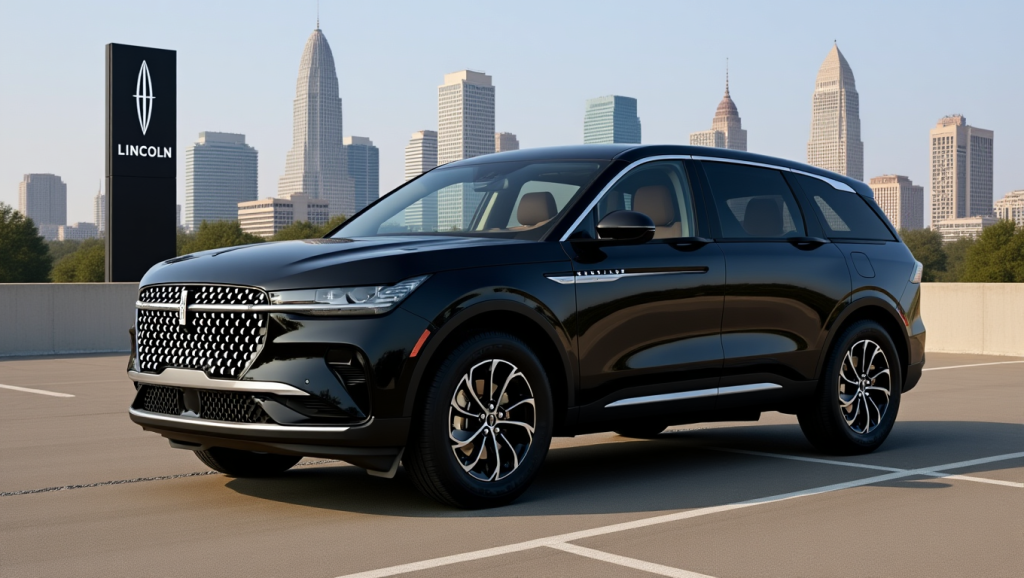
7. Lincoln Nautilus: The Luxury Letdown
The Lincoln Nautilus is like ordering filet mignon and getting ground beef. This luxury crossover charges a $15,000 premium over its Ford Edge sibling but offers minimal differentiation beyond a fancy badge and leather seats.
Sales have fallen 23%, a strange trend in a growing segment. Depreciation is brutal—three-year-old Nautiluses retain just 46% of their value, costing owners about $30,000 in lost equity. Reliability issues with infotainment, electrical systems, and power equipment add insult to injury, with repairs often costing $1,500 or more.
For the same price, you could own a BMW X3, Mercedes GLC, or Lexus RX—all with better performance, prestige, and resale values. Even the Ford Edge Titanium offers similar features and reliability for less money. Only the truly brand-loyal or uninformed fall for the Nautilus’s trap.
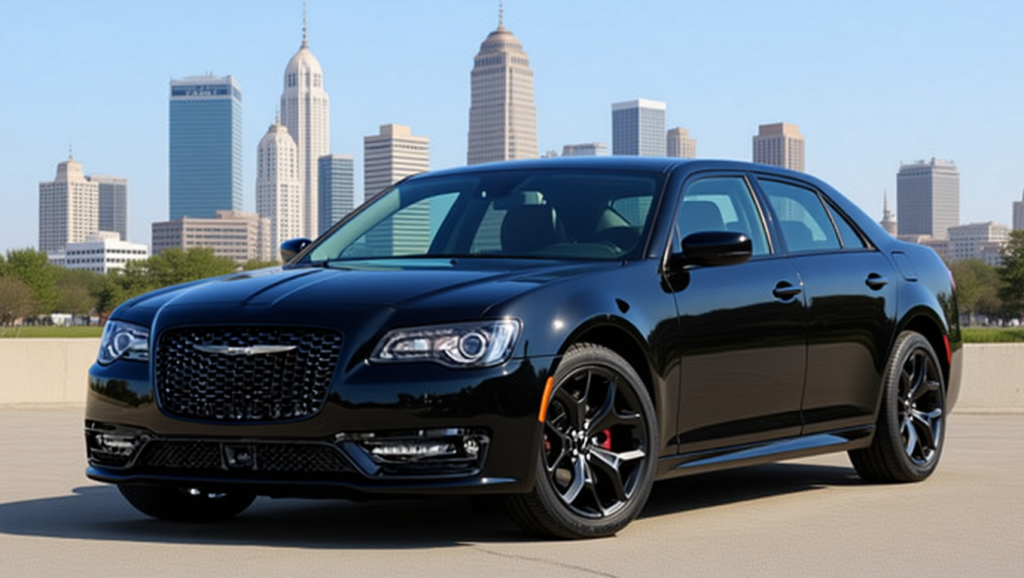
6. Chrysler 300: The Reliability Nightmare
The Chrysler 300 is a dinosaur, with a platform dating back to the early 2000s. Sales have declined by 73%, with only 4,525 units sold recently. Its technology and safety features lag behind by at least two generations, making it feel like a relic in today’s fast-paced market.
Reliability is a mess, with electrical failures, transmission troubles, and suspension issues common—and costly, often exceeding $2,000 per repair. Depreciation is severe, with owners losing around 60% of the vehicle’s value in three years, or about $30,000.
Safety tests reveal significant weaknesses in crash structures and pedestrian detection, yet Chrysler’s marketing spins a different story. Stellantis, the parent company, has announced the 300’s impending discontinuation, tacitly admitting the car’s obsolescence. Only those unaware of modern automotive advances should consider this outdated sedan.
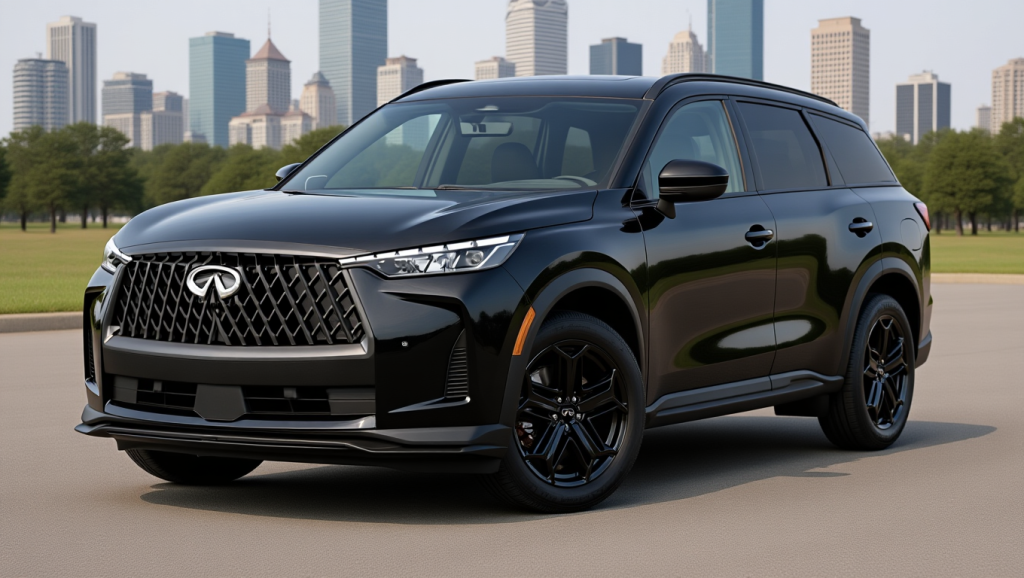
5. Infiniti QX60: The Half-Baked Luxury Attempt
The Infiniti QX60 is a luxury crossover that’s basically a Nissan Pathfinder with leather seats and doubled reliability problems, all for $15,000 more. Despite a recent redesign, sales continue to disappoint, dropping 19% recently.
Shared platforms and components with the Pathfinder are obvious to anyone who compares the two. Reliability issues abound, especially with the CVT transmission, electrical systems, and infotainment, with repairs often costing upwards of $5,000 after warranty expiration.
Depreciation is severe, with owners losing 58% of their vehicle’s value in three years—about $35,000. For the same money, the Acura MDX, Lexus RX L, or Genesis GV80 offer better reliability, technology, and prestige. Even the Pathfinder itself is a better bang for your buck. The QX60 is a cautionary tale of luxury without substance.
4. Nissan Titan: The Pickup Nobody Picked
The Nissan Titan is the full-size truck market’s equivalent of a wallflower at prom—despite brand loyalty dominating the segment, it’s just not invited to the dance. Sales have cratered by 81%, with only 3,514 units sold recently.
The Titan fails spectacularly to offer any advantage over titans like the Ford F-150, Chevy Silverado, Ram, or Toyota Tundra. It doesn’t tow more, haul more, or provide better fuel economy or technology. It’s simply an alternative without benefits.
Depreciation is catastrophic—owners lose about 55% of their vehicle’s value in three years, roughly $30,000. Reliability issues with differentials, electrical systems, and brakes add to the pain, with repairs averaging over $2,000.
Nissan has announced the Titan’s discontinuation after the current generation, signaling defeat. Only buyers who haven’t test-driven competitors or who get desperate discounts would consider this truck.
3. Toyota C-HR: The Rolling Identity Crisis
The Toyota C-HR is a crossover that confuses everyone, including Toyota. It offers no all-wheel drive, minimal ground clearance, cramped rear seats, and less interior space than many sedans—all while charging premium prices.
Sales have plummeted 69%, with only 3,819 units sold recently. Its 144-horsepower engine paired with a CVT takes over 11 seconds to hit 60 mph, creating genuinely hazardous merging situations. Safety studies highlight real concerns, especially around highway performance and crash protection.
For similar money, the Toyota RAV4, Honda CR-V, or Mazda CX-30 offer better practicality, performance, and resale values. Even Toyota’s own Corolla Cross outshines the C-HR in utility.
The C-HR is a classic case of style over substance, and buyers seduced by its looks often regret the purchase once reality sets in.
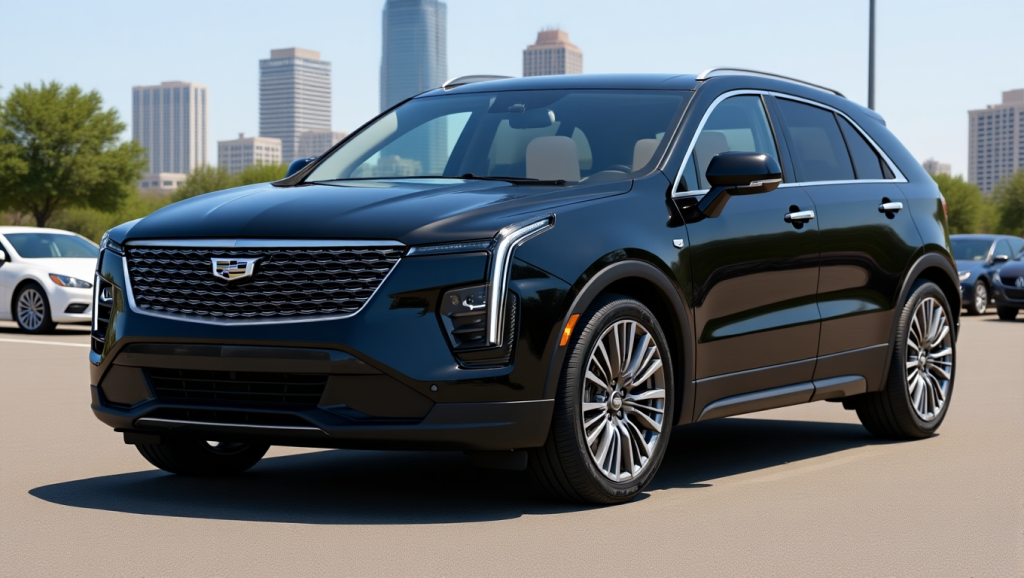
2. Cadillac XT4: The Luxury Letdown
The Cadillac XT4 is a cynical attempt to cash in on America’s crossover obsession. It combines premium pricing with an execution that’s decidedly non-premium. Sales have dropped 38%, with only 4,823 units sold recently.
Its components and architecture are transparently shared with cheaper GM products, leading to owner disappointment with interior quality and technology. Depreciation is brutal, with three-year-old XT4s retaining just 43% of their value—about $25,000 lost.
Reliability issues with electrical systems, infotainment, and the turbocharged engine are common, with maintenance costs 31% higher than segment leaders like the Lexus UX. Better options at similar prices include the Audi Q3, BMW X1, and Mercedes GLA. Even top trims of the Mazda CX-30 offer comparable quality for less.
The XT4 is a cautionary tale of badge over substance and poor value.
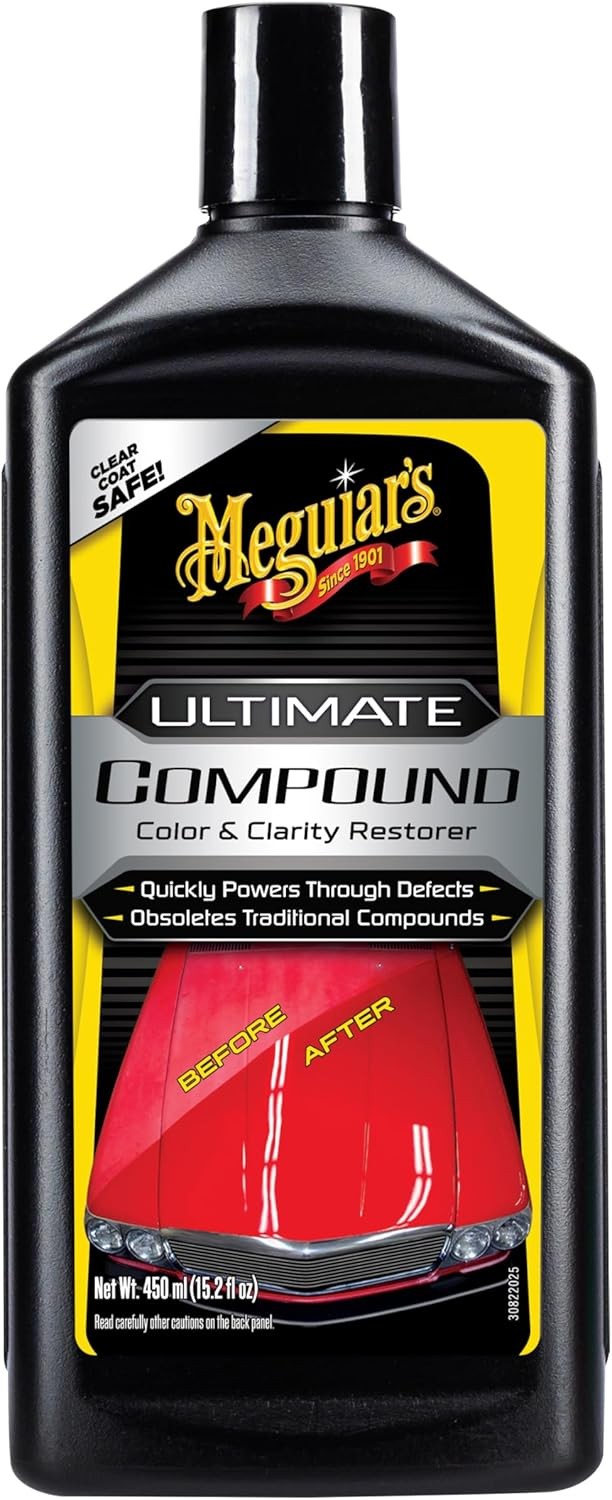
- Meguiar 's Ultimate Compound – Pro-Grade Car 15.2 Oz — $21.89
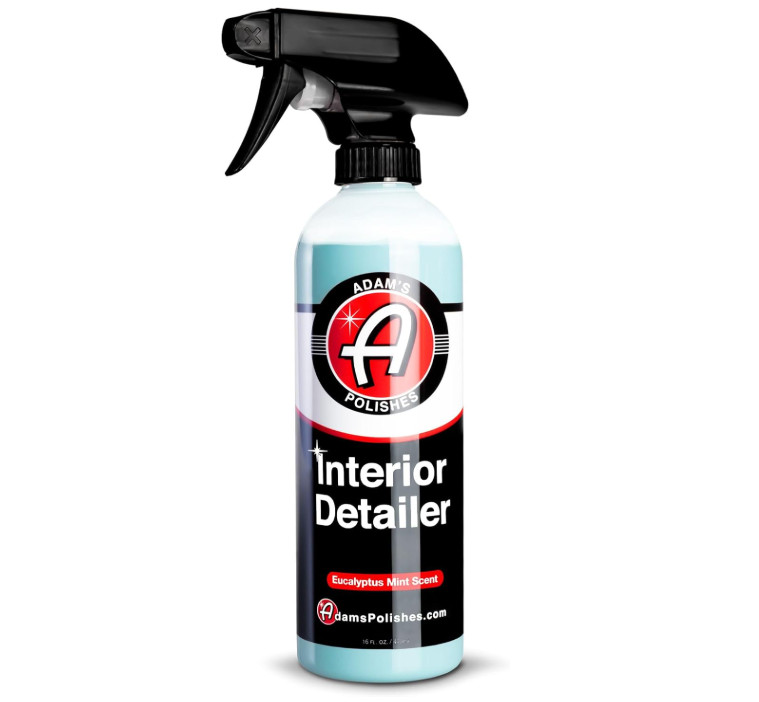
- 16-oz Interior Detailer by Adam's Polishes – Associated Accessories 2-pack NEW! — $25.25
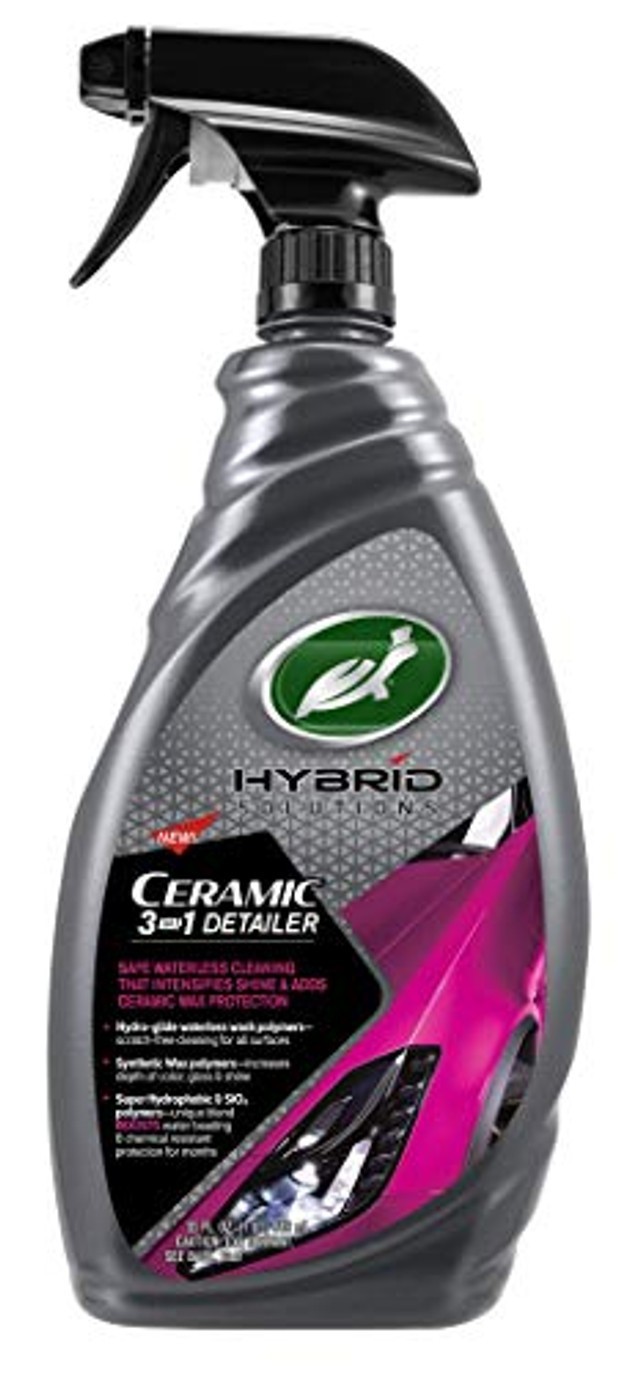
- Turtle Wax 53413 Hybrid Solutions Ceramic 3-in-1 Detailer, Waterless Wash and Ce — $26.69

- Griot's Garage Foaming Surface Wash 35oz with Wash Mitt — $26.95

- Adams Polishes Interior Detailer & Detail Spray 16 FL oz Brand New Pumpk Spice — $29.00

1. Jaguar E-Pace: The Depreciation Champion
And finally, taking the crown for the worst-selling car in America that only uninformed buyers would consider—the Jaguar E-Pace. This entry-level luxury crossover commands a starting price of around $48,000 but suffers from reliability issues, mediocre performance, and the worst depreciation in its class.
Sales have collapsed by 85%, with a mere 327 units sold recently. Three-year-old E-Paces retain just 34% of their original value, translating to a devastating $32,000 loss. Reliability data reveals major electrical system repairs at five times the rate of competitors, with average repair costs exceeding $2,200.
The ZF nine-speed transmission, though reliable elsewhere, fails frequently in the E-Pace. Customer satisfaction is dismal, and dealer network experiences rank near the bottom in luxury segments.
For the same price, buyers could choose a BMW X1, Mercedes GLA, or Audi Q3, all offering better performance, reliability, and prestige. The E-Pace is the automotive version of buying a leaky boat—expensive, disappointing, and a huge regret.
The Financial Fallout: Why These Cars Hurt Your Wallet 📊
To put these disasters into perspective, here’s a snapshot of the depreciation and repair costs you can expect from these thirteen worst selling cars:
| Vehicle | 3-Year Depreciation (%) | Approx. $ Lost in 3 Years | Common Repair Issues | Average Repair Cost |
|---|---|---|---|---|
| Chevrolet Trax | 45% | $9,600 | Transmission | High |
| Infiniti Q50 | 58% | $31,000 | Steering, Electronics | Very High |
| Maserati Ghibli | 68% | $60,000 | Electrical, Transmission | Very High |
| Nissan Murano | 55% | $22,000 | CVT Transmission | $4,200+ |
| Volkswagen Arteon | 62% | $30,000 | Water Pump, Electrical | $1,800+ |
| Mitsubishi Mirage | 54% | Varies | Engine, Safety | Low |
| Lincoln Nautilus | 54% | $30,000 | Infotainment, Electrical | $1,500+ |
| Chrysler 300 | 60% | $30,000 | Electrical, Transmission | $2,000+ |
| Infiniti QX60 | 58% | $35,000 | CVT Transmission, Electrical | $5,000+ |
| Nissan Titan | 55% | $30,000 | Electrical, Brakes | $2,000+ |
| Toyota C-HR | 60% | Varies | Engine, Safety | Moderate |
| Cadillac XT4 | 57% | $25,000 | Electrical, Infotainment | High |
| Jaguar E-Pace | 66% | $32,000 | Electrical, Transmission | $2,200+ |
Why Do These Cars Still Sell? The Psychology Behind the Madness
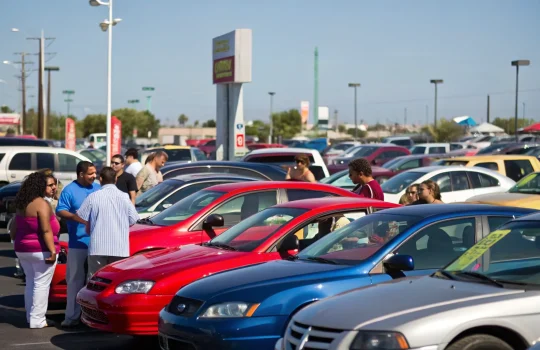
Here’s where the plot thickens. Despite overwhelming evidence that these cars are financial sinkholes, they continue to sell—sometimes in surprising numbers. Many buyers of these models are educated professionals, baffling industry insiders who see the data and wonder how these vehicles survive.
The answer lies in a mix of information asymmetry, marketing wizardry, and the human tendency to trust brand names without digging deeper. Most buyers spend less than two hours researching before making a purchase decision—not nearly enough time to uncover the long-term reliability issues, depreciation curves, and hidden ownership costs.
Massive advertising budgets spin positive narratives, blurring the line between perception and reality. Brands with strong historical reputations benefit from lingering goodwill, even when current models fail spectacularly. This gap between marketing and reality costs American consumers billions annually in unnecessary depreciation and repair bills.
Consumer satisfaction surveys tell the tale: nearly 65% of new car buyers report initial satisfaction, but that figure plunges below 40% after three years for these unlucky models. It’s the moment when the glossy promises collide with cold, hard ownership reality.
What Can You Do? Making Smarter Car Buying Decisions
The good news? Awareness is power. Simply knowing which models to avoid puts you ahead of the curve. By steering clear of these 13 worst selling cars, you protect your financial health and enhance your ownership experience.
Here are some tips to keep you on the right track:
- Research Thoroughly: Spend more than a couple of hours digging into reliability data, depreciation rates, and owner reviews.
- Compare Alternatives: Look beyond brand loyalty to consider value, performance, and resale potential.
- Consider Total Cost of Ownership: Factor in maintenance, repairs, and depreciation, not just the sticker price.
- Don’t Be Swayed by Marketing: Question flashy ads and dig into the facts.
- Ask for Expert Opinions: Seek advice from trusted automotive sources and enthusiasts.
Making an informed choice today can save you tens of thousands of dollars tomorrow.
❓ FAQ: Navigating the Minefield of the 13 Worst Selling Cars
Q1: Why do these 13 cars have such poor resale values?
Depreciation is influenced by factors like reliability, demand, brand perception, and market competition. These vehicles suffer from high repair costs, outdated technology, and lack of consumer appeal, driving down their resale values dramatically.
Q2: Are these cars unsafe to drive?
Many on the list have below-average safety ratings, especially in critical crash tests like small overlap front impacts. Some also have underpowered engines that create hazardous driving situations, particularly on highways.
Q3: Can discounts and financing offers make these cars a good deal?
Even with steep discounts and attractive financing, the long-term costs due to depreciation and repairs typically outweigh any short-term savings. It’s a classic case of “penny wise, pound foolish.”
Q4: What are better alternatives to these vehicles?
Many segment leaders offer superior reliability, performance, and resale value. For example, instead of the Chevrolet Trax, consider the Honda HR-V or Kia Seltos. Instead of the Infiniti Q50, look at the BMW 3 Series or Lexus IS. It’s about balancing cost, quality, and satisfaction.
Q5: How can I avoid buying a bad car?
Research is your best friend. Use trusted sources like Consumer Reports, J.D. Power, and IIHS. Test drive multiple vehicles and consider certified pre-owned options that come with warranties.
🚗 Final Thoughts: Avoid the Pitfalls and Drive Smart
Choosing a car isn’t just about what looks good on the lot or what your favorite celebrity drives. It’s a significant financial decision that can impact your wallet for years. The 13 worst selling cars in America right now aren’t just bad bets—they’re downright disasters that can drain your savings and test your patience.
But knowledge is your secret weapon. By understanding why these vehicles fail—whether due to catastrophic depreciation, reliability nightmares, or poor value—you can steer clear of costly mistakes. Your next car should be a source of joy, freedom, and reliable transportation—not a financial albatross.
So next time you’re car shopping, remember this list. Avoid the traps, ask the tough questions, and don’t fall for flashy marketing. Your future self—and your bank account—will thank you.
Have you ever owned one of these automotive disasters? Or are you currently eyeing a new ride and want a second opinion? Drop your experiences and questions in the comments below. Let’s navigate this crazy car market together and find you the best wheels for your hard-earned money.
Ready to become a savvy car buyer? Subscribe for more insider tips, honest research, and guides that cut through the hype. Your journey to smarter car ownership starts here!
Cleanliness Equal Value
Resources
Hyundai Tucson Hybrid Named One of the 2025 Best Cars for Car Seats by Cars.com PR Newswire
2025 Best Cars for Car Seats Cars.com
2025 Nissan Pathfinder Named Among Cars.com’s Best Cars for Car Seats for Second Year; Rogue Earns Top Finisher Honor usa.nissannews.com
2025’s Most Intriguing EVs Are Here—Which Will Claim Our Top Award? Car and Driver
These Are the 16 Best Cars For Road Trips MotorTrend
These Are the Best Electric Cars With All-Wheel Drive U.S. News & World Report
I’m a Car Expert: These 6 SUVs Are the Best Frugal Buys of 2025 Yahoo! Autos
VX9 Dash Cam Review: Best Car Camera for 2025? Newswire 🙂 Press Release Distribution
2025 (Half Year) Europe: Top Ten Best-Selling Car Models best-selling-cars.com
From Ford F-150 to Toyota RAV4: The Best-Selling Vehicles of 2025 Revealed CarBuzz
Note: FriscoStore.com may get a small commission from this article, which supports us in giving the scope of great sellers and products and keeping you safe online when you shop for unique, quality items.